




Which Hyundai Venue is Right for You?

The $2,275 Question About the 2026 Hyundai Venue
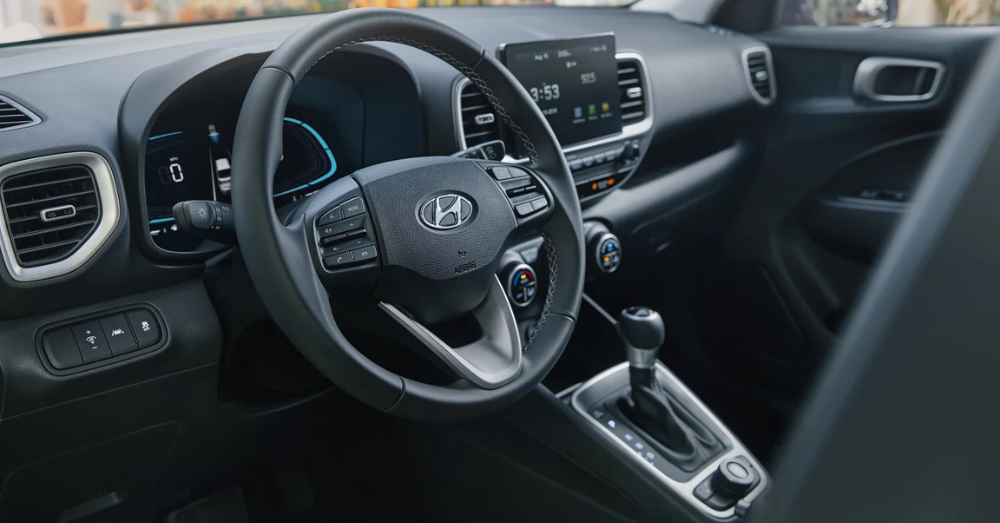
The 2026 Hyundai Venue did something a lot of automakers talk about but rarely pull off: it got simpler. Hyundai cut the three-trim lineup down to two for this model year, retired the Limited, and folded its best features into the SEL. What’s left is a cleaner decision for buyers hunting one of the most budget-friendly new SUVs on the road.
- The SE starts at $20,550 MSRP and already includes wireless Apple CarPlay, Android Auto, and a full driver-assist safety suite.
- The SEL adds heated front seats, blind-spot monitoring, wireless charging, and dual-zone automatic temperature control for around $2,275 more.
- An available SEL with 2-Tone Roof swaps in synthetic leather seating and a two-tone exterior at a slightly lower price than the standard SEL.
How Hyundai Simplified the 2026 Venue Lineup
Going into 2026, the Venue lineup shrank from three trim levels to two, with the previous Limited trim discontinued. The upgrades buyers wanted most, heated seats, wireless charging, and upgraded safety tech, moved into the SEL. Both remaining trims share the same 1.6-liter four-cylinder engine, producing 121 horsepower and 113 lb-ft of torque, paired with a continuously variable transmission and front-wheel drive. EPA fuel economy comes in at 29 mpg city, 33 mpg highway, and 31 mpg combined. The Venue won’t win any drag races, but for city driving and daily commuting, it’s a confident, easy car to live with.
The 2026 Venue SE Covers More Ground Than You Might Expect
The SE starts at $20,550 MSRP. Destination charges apply separately on top of the base price and cover the essentials without much missing. Standard gear includes an 8-inch touchscreen with wireless Apple CarPlay and Android Auto, a six-speaker audio system, remote keyless entry, cruise control, and manual air conditioning. The safety package covers forward collision warning with pedestrian detection, automatic emergency braking, lane-keep assist, automatic high-beam headlights, driver attention monitoring, and a rearview camera. That’s a feature list most compact SUVs at this price can’t match.
The SE rides on 15-inch alloy wheels with cloth upholstery inside. Cargo space sits at 18.7 cubic feet behind the rear seats and expands to 31.9 cubic feet with the rear seats folded. For first-time buyers, budget shoppers, or anyone who just needs a reliable city car, the SE handles the job without leaving much behind.
What the SEL Trim Adds for the Extra Money
Step up to the SEL at $22,825 MSRP, and the nicer-to-have additions start stacking up fast. Heated front seats and heated mirrors become standard. The manual AC swaps for dual-zone automatic temperature control. A wireless charging pad is on the center console, and rear-row passengers get two additional USB charging ports. Wheel size climbs from 15 to 17 inches, the black grille gets a chrome finish, and rear drum brakes upgrade to rear disc brakes.
The SEL also adds blind-spot monitoring and rear cross-traffic alert, two features that make lane changes and tight parking situations noticeably less stressful. Prefer the two-tone roof? The SEL with 2-Tone Roof comes in at $22,600, about $225 less than the standard SEL, and swaps cloth upholstery for synthetic leather seat trim along with the bold two-color exterior. One thing to know: the moonroof option is available on the standard SEL but can’t be added alongside the two-tone roof. You’ll pick one or the other.
Hyundai Venue Trim Comparison
| Feature | SE | SEL | SEL 2-Tone Roof |
|---|---|---|---|
| Starting MSRP | $20,550 | $22,825 | $22,600 |
| Engine | 1.6L 4-cyl, 121 hp | 1.6L 4-cyl, 121 hp | 1.6L 4-cyl, 121 hp |
| Fuel Economy (Combined) | 31 mpg | 31 mpg | 31 mpg |
| Wheels | 15-inch Alloy | 17-inch Alloy | 17-inch Alloy |
| Seat Material | Cloth | Cloth | Synthetic Leather |
| Heated Front Seats | ✗ | ✓ | ✓ |
| Wireless Charging | ✗ | ✓ | ✓ |
| Auto Temp Control | ✗ | ✓ | ✓ |
| Blind-Spot Monitoring | ✗ | ✓ | ✓ |
| Wireless Apple CarPlay / Android Auto | ✓ | ✓ | ✓ |
| Forward Collision Warning + AEB | ✓ | ✓ | ✓ |
| 2-Tone Exterior | ✗ | ✗ | ✓ |
| Optional Moonroof | ✗ | ✓ | ✗ |
| Cargo Space (Behind Rear Seats) | 18.7 cu ft | 18.7 cu ft | 18.7 cu ft |
Where to Put Your Budget in the 2026 Venue Lineup
Most buyers shopping for Hyundai Venue models end up in the SEL, and the feature list makes it easy to see why. Heated seats, wireless charging, and blind-spot monitoring are the kind of upgrades that feel like small luxuries until they’re standard, at which point you wonder how you got by without them. If the two-tone exterior appeals to you and you’re not sold on the moonroof, the SEL 2-Tone Roof is the smart play, a lower price point with synthetic leather and a sharper look.
The SE earns its spot for buyers who want a low payment and don’t need the extra amenities. The safety tech is the same across all three trims, and the wireless infotainment works just as well in the base model. For a household’s second car or a new driver’s first, the SE keeps costs in check without giving up much that matters.
See the 2026 Venue at Gates Hyundai in Richmond
We stock the 2026 Venue at Gates Hyundai and would love to show you both trims side by side. Our team doesn’t do high-pressure sales, so whether you want to sit in the SE, take the SEL out for a spin, or just compare the two-tone roof option in person, we’ll make that happen on your timeline. We’ve been part of the Gates Auto Family for years, and our finance team works with buyers across all credit situations to find a payment plan that actually works. Browse our current Venue inventory at gateshyundai.com or stop by and see us in Richmond, KY.
Finding Your Perfect Match in the 2026 Santa Fe Lineup
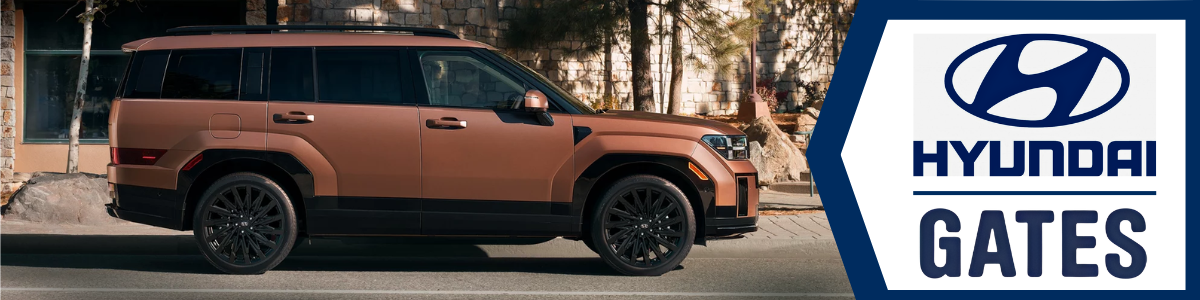
Shopping for a three-row SUV that checks all your boxes? The 2026 Hyundai Santa Fe comes in five different flavors, each one bringing something a little different to the table. Whether you’re chasing value, adventure, or all-out comfort, there’s a Santa Fe built for how you actually drive.
- Every 2026 Santa Fe packs the same turbocharged engine under the hood, putting out a solid 277 horsepower to keep things interesting on the highway.
- The XRT trim stands out with all-terrain tires and an extra 1.3 inches of ground clearance, plus it can tow up to 4,500 pounds when you need to haul gear for the weekend.
- Hyundai swapped in a new eight-speed automatic transmission for 2026, ditching the old dual-clutch setup for smoother shifts across all trim levels.
What You’re Getting at Every Level
Here’s what makes the Santa Fe lineup worth a closer look. All five trims share the same 2.5-liter turbocharged four-cylinder that cranks out 277 horsepower and 311 lb-ft of torque. That’s plenty of pull when you need to merge onto the freeway or pass slow-moving traffic on two-lane roads. Front-wheel drive comes standard, with all-wheel drive running you an extra $1,800 on most models.
Gas mileage sits at 20 city and 29 highway for front-drivers, dropping just one highway MPG when you add all-wheel drive. The XRT takes a small hit thanks to its beefier tires, landing at 19 city and 25 highway.
SE: Solid Features Without the Premium Price
Starting around $35,050, the SE doesn’t feel stripped down. The base trim includes 18-inch alloy wheels, LED lighting all around, and a hands-free power liftgate that opens when you walk up with the key in your pocket. Inside, the 12.3-inch touchscreen runs wireless Apple CarPlay and Android Auto right out of the box.
Safety tech doesn’t get shortchanged either. Forward collision warning with automatic braking, adaptive cruise control, blind-spot monitoring, and lane-keeping assist all come standard. Cloth seats and manual adjustment up front keep things simple, but for a lot of families, this trim offers everything they need without padding the monthly payment.
SEL: Where Comfort Starts to Show Up
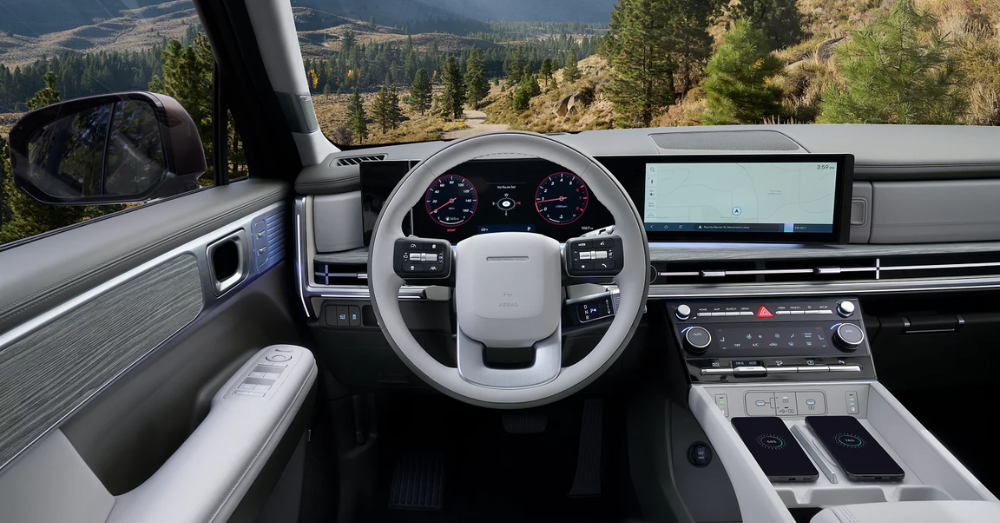
Step up to the SEL at $37,590, and you’ll notice the difference right away. Synthetic leather replaces the base cloth, heated front seats become standard, and the driver’s seat gains eight-way power adjustment. You won’t be fiddling with seat positions every time someone else drives.
This trim adds a wireless charging pad that actually works with most phones, plus Hyundai’s Digital Key 2 lets you unlock and start the SUV with your smartphone. Dual-zone climate control means the driver and passenger can finally agree on a temperature. USB ports in the third row make this a smart pick for families with teens who’ll mutiny if they can’t charge their devices.
XRT: Ready for Off-Road Adventures
If you need something that goes beyond grocery runs and soccer practice, the XRT starts at $42,040. All-wheel drive comes standard here, along with all-terrain tires that add 1.3 inches of ground clearance, bringing the total to 8.3 inches. New for 2026, Terrain Mode gives you specific settings for mud, snow, and sand.
Towing capacity jumps to 4,500 pounds, a full thousand more than other trims. That’s enough for a decent-sized boat or a loaded trailer. Dual wireless chargers, a sunroof, and navigation round out the package. The blacked-out exterior trim and dark wheels give it a tougher look that matches what it can actually do off-road.
Limited: Where Luxury Takes Over
Priced around $44,600, the Limited shifts focus to refined comfort. This trim adds 20-inch wheels, genuine leather seating, and ventilated front seats that’ll keep you cool on summer road trips. Heated rear seats mean nobody in the back is left out, and the heated steering wheel makes cold mornings a lot more bearable.
Second-row captain’s chairs come standard, dropping total capacity to six but giving middle passengers a lot more room to stretch out. The 12.3-inch digital gauge cluster replaces the smaller 4.2-inch screen from lower trims. Bose 12-speaker audio fills the cabin with better sound than you’d expect, and Remote Smart Parking Assist actually steers the Santa Fe into tight spots while you control the gas and brake from outside.
Calligraphy: Everything Hyundai Can Pack In
At the top of the heap sits the Calligraphy, pushing close to $49,000. This top-tier trim includes 21-inch wheels that completely change the SUV’s stance, quilted Nappa leather in Pecan Brown, which looks straight out of a luxury sedan, and a driver’s seat with a relaxation function that reclines when you’re parked.
The digital rearview mirror gives you an unobstructed view behind you, even with passengers or cargo blocking the traditional mirror. Head-up display projects key info onto the windshield so you don’t have to look down at the gauges. Highway Driving Assist 2 combines adaptive cruise and lane-centering for hands-on semi-autonomous driving that actually works on the highway.
Comparing the Santa Fe Trim Levels
| Trim Level | Starting Price | Key Features | Best For |
|---|---|---|---|
| SE | $35,050 | 18″ wheels, 12.3″ touchscreen, cloth seats, LED lighting, hands-free liftgate | Budget-conscious buyers who want solid features without extras |
| SEL | $37,590 | Heated seats, H-Tex seating, wireless charging, 8-way power driver seat, Digital Key 2 | Families wanting daily comfort at a reasonable price |
| XRT | $42,040 | AWD standard, all-terrain tires, 4,500-lb towing, Terrain Mode, dual wireless chargers | Weekend adventurers who need real capability |
| Limited | $44,600 | 20″ wheels, leather seats, ventilated front seats, Bose audio, captain’s chairs, parking assist | Buyers wanting premium features without the top price tag |
| Calligraphy | $48,845 | 21″ wheels, Nappa leather, head-up display, digital rearview mirror, driver seat relaxation | Those who want every feature Hyundai offers |
What About the Hybrid Option?
Don’t overlook the hybrid if fuel economy matters to you. Available on the SE, SEL, Limited, and Calligraphy, the hybrid setup pairs a 1.6-liter turbocharged four-cylinder with an electric motor. Total output drops to 231 horsepower and 271 lb-ft, but you’re getting 36 combined MPG with front-wheel drive or 34 with all-wheel drive.
The hybrid premium is only $1,350 over the gas version, which you’ll make back pretty quickly if you’re doing a lot of driving. Power delivery feels smooth thanks to the six-speed automatic, though you’ll give up a couple of seconds in 0-60 acceleration compared to the gas models.
Where the Smart Money Goes
For most buyers, the SEL hits the sweet spot. It costs about $2,500 more than the base SE but brings heated seats, better upholstery, and the convenience features you’ll actually use every day. The power driver’s seat alone is worth the upgrade if multiple people drive the SUV.
If you tow regularly or genuinely need off-road capability, the XRT makes sense. That extra towing capacity and ground clearance aren’t just marketing fluff. The Limited is a good option if you want a nicer interior without paying Calligraphy’s price tag. Second-row captain’s chairs and the Bose audio system are legitimate upgrades that make long trips more pleasant.
The Calligraphy? That’s for folks who want the full experience and don’t mind paying for it. The Nappa leather and head-up display are nice, but you’re really paying for the feeling of having everything Hyundai can offer in this segment.
Matching Your Budget to What You Need
Take an honest look at how you’ll actually use the SUV. Daily commuting with occasional road trips? The SEL gives you comfort without breaking the bank. Hauling boats or campers on weekends? The XRT’s towing capacity and all-terrain capability are worth every penny. Want to impress passengers with a refined interior? The Limited brings luxury features at a price that won’t make you wince.
Remember that all these Santa Fe trim levels share the same solid powertrain and safety tech. The real choice comes down to convenience features, interior materials, and specific capabilities like towing or off-road performance. There’s no wrong answer here, just different ways to spend your money based on what matters most.
Test Drive the 2026 Santa Fe in Richmond
Reading about features only gets you so far. We keep multiple Santa Fe trim levels on our lot so you can sit in an SE and then hop into a Limited to feel the actual difference. Want to see how the XRT’s all-terrain tires handle compared to standard rubber? We’ll set that up. Our team can walk you through the tech features, answer questions about towing capacity, and help you figure out which trim fits your budget and driving needs. Schedule a test drive online or swing by our showroom at 6000 Atwood Drive in Richmond when you’re ready to see the 2026 Santa Fe lineup in person.

Why the 2026 Elantra Beats the Honda Civic for Smart Buyers
Cross-shopping the 2026 Honda Civic vs Hyundai Elantra? You’ve narrowed it down to two solid compact sedans. Here’s what separates them: Hyundai delivers better real-world value through lower pricing, superior fuel economy, a 10-year warranty that puts Honda’s coverage to shame, and a dual-clutch transmission that feels more connected than the Civic’s droning CVT. Let’s break down why the Elantra makes more sense for drivers who want the most car for their money.
- The Elantra Hybrid Blue crushes the Civic on highway efficiency with 58 mpg versus the Civic’s 47 mpg, saving you real money on long commutes.
- Starting at $22,625, the Elantra undercuts the Civic by nearly $2,000 while packing more standard features at every trim level.
- Hyundai’s 10-year/100,000-mile powertrain warranty runs circles around Honda’s 5-year/60,000-mile coverage, protecting your investment twice as long.
Where the Elantra Outperforms on Efficiency
Hyundai’s base 2.0-liter engine (147 hp) matches the Civic’s output while delivering better fuel economy: 35 city and 43 highway versus the Civic’s 32/41. You’re already ahead before considering a hybrid.
Step up to the Elantra Hybrid, and you get a 1.6-liter engine paired with an electric motor for 139 hp and 195 lb-ft of torque. That torque makes city driving feel punchy. But here’s the real winner: the six-speed dual-clutch transmission. Unlike the Civic’s CVT, which drones and feels disconnected, Hyundai’s DCT shifts through gears like a traditional automatic. No rubber-band feel on highway on-ramps.
Blue trim hybrids deliver 51 city and 58 highway mpg. That 58 highway number crushes the Civic Hybrid’s 47 mpg. Rack up 15,000 highway miles annually, and you’re saving hundreds at the pump. Sure, the Civic makes 200 total system horsepower and hits 0-60 faster (6.1 seconds versus 8.4). But how often are you launching from stoplights? Real-world efficiency and a smoother transmission matter more in traffic and at highway speeds.
Better Interior Value in the Elantra
Both sedans seat five comfortably with comparable dimensions and trunk space (14.2 cu ft in the Elantra versus 14.8 in the Civic). What’s different? Hyundai gives you more for less money.
Even the base SE includes an 8-inch touchscreen with wireless Apple CarPlay and Android Auto. Move up to the SEL Sport at $23,750, and you add heated seats, dual-zone climate, and wireless charging. Honda charges more upfront, then makes you climb trim levels to match these features.
Look at the Limited’s dual 10.3-inch displays. They stretch across the dash like a luxury sedan’s cockpit. Yes, some trim materials aren’t as premium as the Civic’s. But you’re getting more tech, more features, and more screen real estate for thousands less. When choosing between slightly nicer plastics or keeping money in your pocket, Hyundai makes the smarter call.

Safety Tech Where It Counts
Honda includes Honda Sensing with adaptive cruise, lane keeping, and automatic braking. Hyundai counters with SmartSense, including blind-spot monitors, driver attention warning, and rear cross-traffic alert, standard across all trims. That’s more safety features from the base model up.
Higher trims add front cross-traffic alert, bicyclist detection, and phone-as-key functionality. You also get dual 10.3-inch screens on the Limited, giving you more display space than the Civic’s 9-inch setup. Both cars handle safety and connectivity well. Hyundai just includes more without charging premium prices.
Quick Reference Comparison
| Category | 2026 Honda Civic | 2026 Hyundai Elantra |
|---|---|---|
| Base Engine | 2.0L 4-cyl, 150 hp | 2.0L 4-cyl, 147 hp |
| Hybrid Power | 200 hp total system | 139 hp, 195 lb-ft torque |
| Base MPG (city/hwy) | 32/41 | 35/43 |
| Hybrid MPG (city/hwy) | 50/47 | 51/58 (Blue trim) |
| Starting Price | $24,595 | $22,625 |
| Cargo Space | 14.8 cu ft | 14.2 cu ft |
| Transmission | CVT (hybrid uses eCVT) | CVT (hybrid uses 6-speed DCT) |
| Standard Screen | 7-inch (9-inch on hybrid) | 8-inch standard |
Why the Elantra Wins on Total Value
Sticker prices tell the story: $22,625 for the Elantra versus $24,595 for the Civic. That’s nearly $2,000 in savings before negotiating. As you move up the trim levels, the gap widens. Hyundai’s SEL Sport at $23,750 includes heated seats, dual-zone climate, and wireless charging that cost thousands more in a comparable Civic.
Warranty coverage makes an even bigger difference. Hyundai gives you 5-year/60,000-mile basic coverage and 10-year/100,000-mile powertrain protection. Honda offers 3-year/36,000-mile basic and 5-year/60,000-mile powertrain. Keep your car past 60,000 miles, and the Elantra saves you from repair bills Honda owners pay out of pocket.
Honda has slightly better resale value. But do the math: save $2,000 upfront, get better highway fuel economy, and benefit from warranty coverage that lasts twice as long. That resale gap shrinks fast for buyers who keep cars 7-10 years.
The Smart Money Picks the Elantra
For most buyers, the 2026 Hyundai Elantra wins this matchup. Lower upfront costs, better highway fuel economy, an engaging dual-clutch transmission, more standard features, and warranty protection that lasts twice as long all add up to better value.
Honda makes sense if you prioritize the sportiest handling and don’t mind paying more. But for daily commuters, budget-conscious buyers, highway drivers, or anyone keeping their car long enough to benefit from that 10-year warranty, Hyundai is the smarter choice. Money saved adds up to thousands over the car’s life.
Experience the Elantra Advantage at Gates Hyundai
Ready to see why the Elantra outperforms the competition? We keep a complete 2026 lineup at our Richmond showroom, from the budget-friendly SE to the loaded Limited hybrid. Take the dual-clutch transmission for a test drive and feel the difference compared to a droning CVT. Our team can show you exactly how much you’ll save on fuel with the hybrid’s 58 highway mpg, walk you through Hyundai’s 10-year warranty coverage, and help you configure the trim that gives you what you want without paying for extras you don’t need. Stop by and discover why smart buyers are choosing the Elantra.
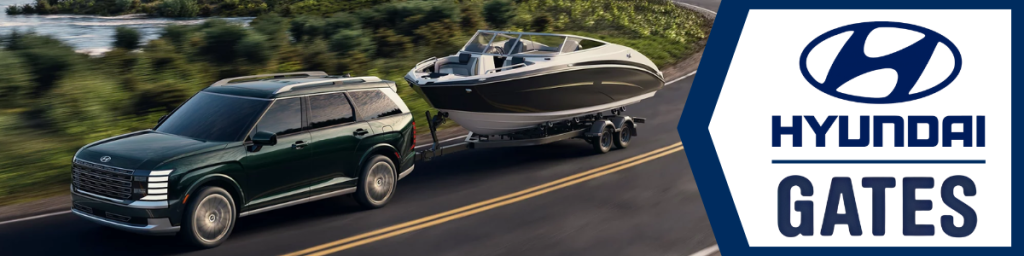
When you compare the 2026 Hyundai Palisade vs 2026 Toyota Highlander, the choice comes down to what matters most to your family. Both three-row SUVs deliver solid performance and practical space, but one of them pulls ahead with a fresh redesign, a better warranty, and features you won’t find anywhere else in the segment.
- The redesigned 2026 Palisade offers a 287-hp V6 or an available 329-hp hybrid with an estimated 619-mile range and up to 34 combined mpg.
- A 10-year/100,000-mile powertrain warranty from Hyundai beats Toyota’s 5-year/60,000-mile coverage by a wide margin.
- Pricing starts at $38,935 for the Palisade, while the Highlander’s base price jumped to $45,270 after Toyota eliminated the entry-level LE trim for 2026.
What’s New for 2026
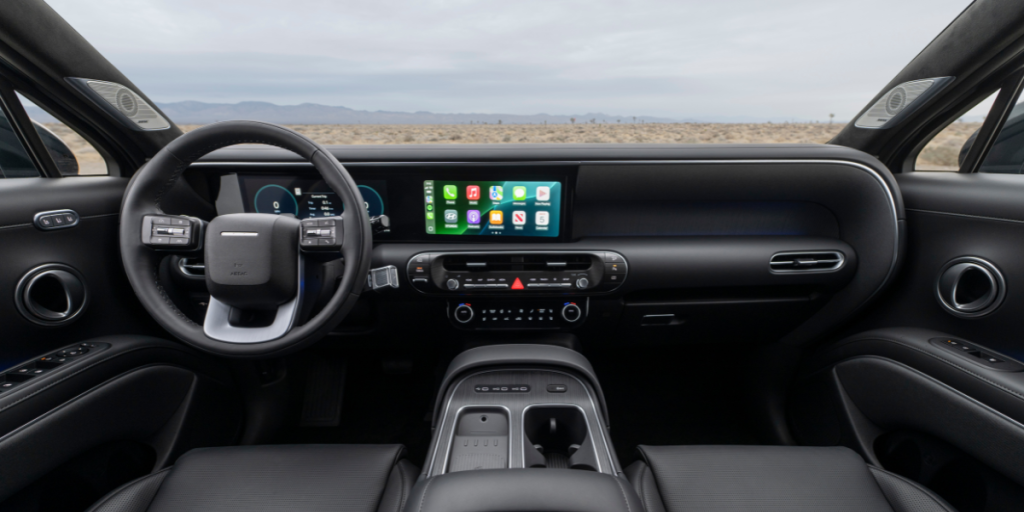
For 2026, Hyundai completely redesigned the Palisade for its second generation. The wheelbase is longer, dual curved 12.3-inch displays dominate the dash, and the exterior takes on a boxier look inspired by the brand’s flagship Ioniq 9 EV. Toyota’s Highlander carries forward with minimal changes. All-wheel drive now comes standard, but that update also eliminated the base LE trim.
Power and Efficiency
Under the hood, the Palisade packs a newly developed 3.5-liter V6 producing 287 horsepower, while the Highlander uses a turbocharged 2.4-liter four-cylinder making 265 horsepower. Both SUVs tow up to 5,000 pounds with their gas engines.
The hybrid comparison favors Hyundai by a wide margin. Its Palisade Hybrid pairs a turbocharged 2.5-liter engine with two electric motors for a combined 329 horsepower and an estimated 34 combined mpg. That setup can deliver up to 619 miles of range on a single tank. Toyota’s Highlander Hybrid manages 35 combined mpg but only produces 243 horsepower and limits towing to 3,500 pounds.
Interior Space and Features
Both SUVs seat seven or eight passengers, but the Palisade’s cabin feels more upscale. Opt for the Calligraphy trim and you get Genesis-level luxury with premium Nappa leather, a massaging driver’s seat, and power-adjustable second-row captain’s chairs. You’ll also find heated third-row seats with power recline, something almost unheard of in this class. Toyota’s interior is functional and well-organized, though third-row space remains tight and better suited for kids only.
A cool Palisade-exclusive feature is the built-in dual-camera dash cam on Calligraphy trims. It records continuously while driving and can automatically activate while parked if sensors detect movement nearby.
Safety and Technology
Both SUVs load up on driver-assistance features as standard equipment, including forward collision warning, automatic emergency braking, lane-keeping assist, and adaptive cruise control. The Palisade sweetens the deal with Navigation-Based Smart Cruise Control, Safe Exit Assist, and Parking Collision-Avoidance Assist. It also supports Hyundai Digital Key 2.0 Premium, letting you use a smartphone or smartwatch to lock, unlock, and start your vehicle.
Pricing and Warranty
This is where the Palisade really shines. Pricing starts at $38,935 for the base SE with front-wheel drive. Toyota’s Highlander jumped to $45,270 for 2026 after dropping the LE trim and making all-wheel drive standard. That’s a $6,335 difference right out of the gate.
Warranty coverage tells an even clearer story. Hyundai backs the Palisade with a 5-year/60,000-mile basic warranty and a 10-year/100,000-mile powertrain warranty for the original owner. Toyota offers 3 years/36,000 miles of basic coverage and 5 years/60,000 miles on the powertrain. For families planning to keep their SUV for the long haul, that extra protection matters.
The XRT Pro Goes Off-Road
Hyundai introduced something the Highlander can’t match: the XRT Pro trim. This rugged variant adds an electronic limited-slip rear differential, one inch of additional ground clearance, all-terrain tires, and dedicated terrain modes for mud, sand, and snow. Toyota offers Multi-Terrain Select on the Highlander, but there’s no comparable adventure-ready trim with hardware upgrades to match.
Which Three-Row SUV Should You Choose
For 2026, the Palisade delivers a fresher design, more power options, better features, and a lower starting price than the Highlander. Throw in Hyundai’s 10-year powertrain warranty and you’ve got a strong argument for family shoppers who want real value. Toyota’s Highlander remains reliable with the brand’s reputation behind it, but the redesigned Palisade has raised the bar for what a mid-size three-row SUV can offer.
See the Palisade in Person at Our Dealership
If you’re shopping for a three-row SUV in Richmond, KY, we’d love to help you see everything the 2026 Palisade has to offer. Gates Hyundai has been a family-owned dealership since 1915, and we’re now in our fourth generation of ownership. We’ve built our reputation on honest service and satisfied customers rather than gimmicks. Our team can walk you through the different Palisade trims, answer questions about the new hybrid option, and set up a test drive so you can experience that redesigned interior firsthand. Whether you’re comparing the Palisade to the competition or ready to make a decision, stop by and see us at 6000 Atwood Dr in Richmond to find out why local families have trusted us for over a century.

Which Hyundai SUV is Right For You?
If you’re comparing Hyundai SUVs, it’s likely that it will come down to a choice between the 2026 Hyundai Tucson versus Santa Fe. The main difference is size, with the Tucson being a compact two-row SUV, while the Santa Fe is a midsize three-row SUV. Gates Hyundai takes a closer look.
Exploring the Features of the 2026 Hyundai Tucson
Let’s start with the features of the 2026 Hyundai Tucson. The Tucson is a two-row SUV with room for five passengers. It’s considered a compact SUV, but it’s still quite spacious inside. The compact Tucson is best for driving in the city for individuals or small families. It offers agile handling, making it easier to park and maneuver. The modern cabin is well-equipped, but it’s ultimately smaller than the Santa Fe in terms of passenger volume.
How the Hyundai Santa Fe Differs From the Tucson
Now, let’s look at the Hyundai Santa Fe. This is a midsize Hyundai SUV with a standard third row and room for up to seven passengers. The Santa Fe works best for larger families or those who need more cargo room. You can always fold the third row down to expand the cargo hold. With its larger size, the Santa Fe feels somewhat less agile than the Tucson, but it’s still comfortable and smooth. The interior is more expansive and plush than the Tucson due to the larger overall size of the Santa Fe.
Ways These SUVs Are the Same
Are there any areas where the 2026 Hyundai Tucson versus Santa Fe match up similarly? The easiest answer is that they both come with the best warranty in the industry. The other surprising detail is that both SUVs actually have the same interior volume when you fold all the rear rows down. They’re also not that much different when it comes to fuel economy, even though the Santa Fe has the more powerful engine.
Reasons To Choose One Hyundai SUV Over Another
As mentioned before, the biggest difference between these two Hyundai SUVs is size. The Tucson only has two rows of seats, but its cabin is still spacious for the segment. If you prefer more agile handling and a smaller footprint, not to mention price tag, then the Tucson is probably the right SUV for you.
On the other hand, the Santa Fe is a family SUV with an extra row of seats. If you don’t always need the third row, you can easily fold it down for more cargo space. The Santa Fe has more power and space, making it better for families compared to the Tucson.
Compare the 2026 Hyundai Tucson Versus Santa Fe at Gates Hyundai
The easiest way to compare the 2026 Hyundai Tucson versus the Santa Fe is to visit us at Gates Hyundai. This allows you to see both models in person and get a feel for their cabin confines. You might prefer the more agile handling of the Tucson, or you might realize that you definitely want that third row of seats. At Gates Hyundai, we can help you choose the right SUV for your lifestyle.
Four Highlights of the 2025 Hyundai Santa Fe
The all-new 2025 Hyundai Santa Fe is the best version of this vehicle to date. This rugged, stylish SUV has the power, features, and amenities to transform your driving experience both on and off the road. Once you experience this SUV in person, you’ll see why it’s become the top choice among those looking for an adventurous and luxurious driving experience.

1. The Stylish Design
The new Hyundai Santa Fe is the perfect combination of rugged and elegant. It has a spacious interior with seating for up to seven passengers, depending on the seating configuration. It also has available power reclining second-row captain’s chairs, a dual wireless phone charging system for two phones, and a center console that opens in the front and back to add more accessible storage space for the driver and the passengers.
The XRT, a popular trim, has 18-inch dark alloy wheels, all-terrain tires, extra ground clearance, a distinct black chrome front grille, an AC power outlet, and more.
2. The Trim Options
The Hyundai Santa Fe is available in eight trims, five of which are gas-powered and three of which are hybrids. The gas-powered trims are the SE, the SEL, the XRT, the Limited, and the Calligraphy. Drivers interested in the hybrid options can choose from the SEL, the Limited, and the Calligraphy, all of which have the 1.6L turbocharged GDI four-cylinder engine.
The FWD hybrid models get approximately 36 miles per gallon in the city and 35 on the highway. The gas-powered FWD trims have the 2.5L turbocharged GDI/MPI four-cylinder engine, which gets 20 miles per gallon in the city and 29 miles per gallon on the highway.
3. The Functionality
The new Hyundai Santa Fe is not only a stylish and customizable vehicle but also functional. Its auto-open lift gate provides easy access to cargo space, and it has improved entry access, including a C-Pillar assist handle.
4. The Safety System
The new Hyundai Santa Fe features the Hyundai SmartSense system, which includes Highway Driving Assist 2, a remote smart parking assist system, a surround-view monitor, lane-following assist, a blind–spot view monitor, and a safe exit assist system.
Other notable safety features include rear occupancy alerts that warn drivers to check the vehicle before exiting and a driver attention warning system that helps prevent drowsy and distracted driving.
Ready to explore new terrain in a Hyundai Santa Fe? The latest version of this SUV will take you everywhere you need to go safely and in style and enhance all of your adventures in the 2025 calendar year and beyond. Contact us today at Gates Hyundai in Richmond, KY, to learn more about our current specials and available inventory.
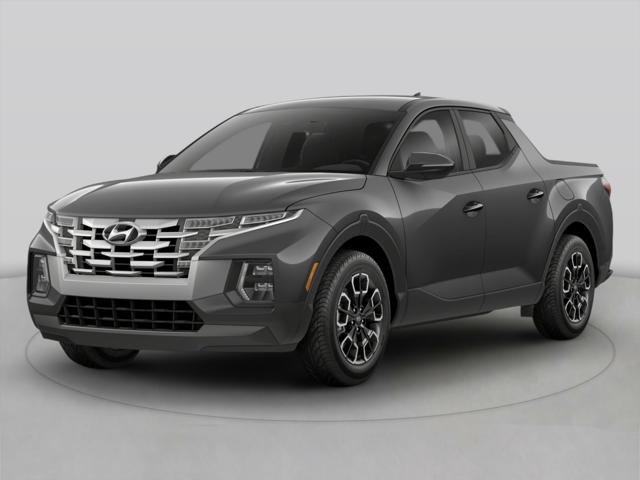
With a stylish design, a comfortable cabin, and a wealth of desirable convenience and tech features, the 2025 Hyundai SANTA CRUZ is one of the most city-friendly pickup trucks you can drive today. It comes in five trim levels, making it easy to find the right configuration for your needs.
SE
A great starting point for the 2025 SANTA CRUZ lineup, the SE comes with a wealth of standard features, including a capable 2.5L inline-4 engine that produces 191 horsepower and 181 lb-ft of torque. Standard front-wheel drive delivers smooth driving dynamics in all weather conditions and fuel economy ratings of 22 MPG in the city and 30 MPG on highways. Hyundai’s HTRAC all-wheel drive is available, optimizing the truck for off-roading.
SEL
With plenty of must-have features at an affordable price, the SEL trim is perfect for drivers who want more luxury without breaking the bank. It comes with the same powertrain as the SE, including standard front-wheel drive for exceptional fuel efficiency.
The interior boasts a wealth of convenience upgrades, including dual-zone automatic climate control with multi-air mode and capacitive touch controls. H-Tex leatherette seating surfaces give the cabin a luxe feel.
SEL Activity
Designed with active families in mind, the SEL Activity builds on the SEL with additional tech and convenience upgrades. A highlight is the power sunroof offered standard on this trim so you can enjoy more of the outdoors throughout your journeys. An integrated tonneau cover protects your cargo from the elements and prying eyes, and roof side rails are standard so you can easily mount a cargo carrier.
This model also pairs the standard 12.3-inch infotainment touchscreen with a 12.3-inch digital cluster into a dual display that becomes a focal point on the dashboard.
XRT
A rugged trim designed for off-road capability, the XRT brings a wealth of performance upgrades. It comes exclusively in HTRAC all-wheel drive and gets power from a turbocharged engine that churns out 281 horsepower and 311 lb-ft of torque.
This model replaces the standard 8-speed automatic transmission with an 8-speed wet dual-clutch with standard paddle shifters. You also get a greater towing capacity of up to 5,000 lbs and trailer pre-wiring for seamless trailering.
Limited
Boasting the same performance as the XRT and a rich suite of standard features, the Limited trim is perfect for drivers seeking a luxury pickup truck. Leather-trimmed seating surfaces, heated and ventilated front seats with power adjustability, and an integrated memory system for the driver’s seat and outside mirror positioning are just some of the highlights.
To try your favorite 2025 SANTA CRUZ on the road, visit us at Gates Hyundai in Richmond, KY.
Benefits of Choosing OEM Parts for Your Hyundai
A subpar aftermarket part could ruin your vehicle, while a genuine Hyundai OEM component is like returning that part of your car to brand-new condition. Read on to learn why you should always opt for OEM parts during repairs at your Hyundai dealer.

Precise Compatibility
Original equipment manufacturer (OEM) parts are built with the exact same dimensions and technical specifications as the parts they’re replacing in your Hyundai. As such, they fit like a glove, and compatibility is guaranteed. By contrast, aftermarket components are often barely compatible and require adjustments to work at all.
Exceptional Performance
If performance is a priority, then you should always have the genuine article installed. The engine, transmission, brakes, tires, suspension, exhaust, and every other car part can only perform as well as its composite parts allow it to. As such, you can’t beat OEM components for performance.
Long-Lasting Quality
Durability is a well-known attribute of all Hyundai vehicles. With an OEM Hyundai part, you’re guaranteed to benefit from Hyundai’s outstanding quality and reliability standards. Conversely, aftermarket parts are built with a fraction of the quality and longevity standards, which simply means you’ll be replacing them sooner.
Long-Term Cost Savings
One key advantage of genuine parts is how much money you can save in the long term. OEM car parts are built to last, so you needn’t pay to replace them as frequently. Drivers who believe they’re saving a few bucks with the shortcut of a slightly lower-quality aftermarket part soon discover how wrong they were.
Fewer Further Repairs
OEM components also do less damage to connected car parts than generic aftermarket parts. As OEM components work seamlessly with the surrounding vehicle, they both suffer and spread less wear and tear. With a less compatible aftermarket part, on the other hand, the connected components are put under more strain, experience more friction, and malfunction more frequently. All this adds to your overall vehicle upkeep expenses.
Enhanced Resale Value
If you wish to keep the option open of reselling or trading in your car one day, then OEM components are the way to go. These days, used-car buyers are extremely interested in how well a vehicle has been maintained, including the quality of parts installed during repairs. If your car is filled with like-new OEM components, it will fetch a far higher price.
Quicker Installation at Your Hyundai Dealer
Genuine car parts are also quicker and easier to install. They were, after all, designed by Hyundai engineers to fit neatly into your car. You also don’t need to wait for any alterations to be made to the part, as you frequently do with generic components. Overall, you can save a good deal of time with OEM car parts.
Learn more about the benefits of genuine car parts today; our technicians will be happy to talk you through your options. Visit Gates Hyundai in Richmond, KY.
2024 Hyundai IONIQ 5: Embracing the Future
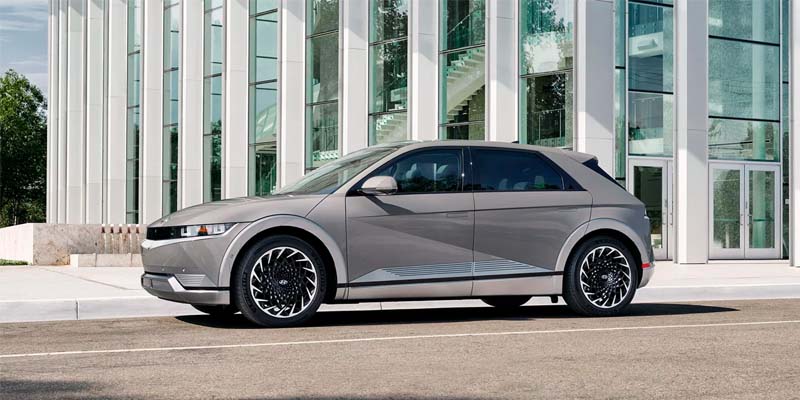
Designed to redefine the future of sustainable driving, the 2024 Hyundai IONIQ 5 is one of the most popular SUVs among commuters and families seeking a capable all-electric ride. From eye-catching styling to unrivaled performance, here are the features to check out during a test drive here at your Richmond Hyundai dealer.
2024 Hyundai IONIQ 5 Performance
Whether you need an everyday ride for commutes or a capable SUV to tackle the roads less traveled, the IONIQ 5 brings the performance to go wherever you want. The model pairs a standard-range battery pack with a permanent magnet synchronous motor and rear-wheel drive for smooth driving dynamics and a net output of 168 horsepower.
The available extended-range battery pack is compatible with rear-wheel and all-wheel drivetrains for maximum net output, in the AWD variant, of 320 horsepower and 446 lb-ft of torque. With this kind of muscle, it is a breeze to maintain the vehicle’s balance and traction in adverse weather or on rugged trails.
Ultra-Fast Charging Capability
No matter how far from home you want to go, the 2024 IONIQ 5 boasts an exceptional range and ultra-fast charging capability so you won’t spend too much time at the charging station. Equipped with the standard-range battery pack, this capable SUV provides an estimated range of 220 miles per charge and an EPA-estimated fuel economy rating of 110 MPGe combined.
In the RWD version, the extended-range battery pack can take you as far as 303 miles from home, with estimated fuel economy ratings of 132 MPGe in the city and 98 MPGe on the highway. Both battery options charge 10 to 80 percent in about 18 minutes at public DC fast-charging stations.
Sleek Design Inside Out
The 2024 IONIQ 5 is designed to steal the spotlight wherever you go. Sleek curves blend with aerodynamic lines and aero-optimized wheels, making a bold statement on the road and reflecting Hyundai’s future-inspired vision. Unique exterior lights, stylish color options, and exclusive styling elements on each trim level enable drivers to customize the ride to express their personality.
Technology at Your Fingertips
Next-generation technology can elevate your driving experience with numerous standard highlights, including built-in navigation and effortless smartphone integration via Bluetooth, Android Auto, or Apple CarPlay. The 12.3-inch center touchscreen offers intuitive access to preinstalled apps, streaming services, and vehicle functions.
Explore the IONIQ 5 at Your Hyundai Dealer
The 2024 IONIQ 5 is available in five trim levels that you can explore here at our Richmond showroom. Whether you want to learn more about each trim’s standard features or the available customization options, our team can answer any questions you might have.
Ready to discover more? Visit us at Gates Hyundai in Richmond, KY to check out this stylish EV and schedule your test drive.
2024 Hyundai Santa Fe: A Family-Friendly SUV
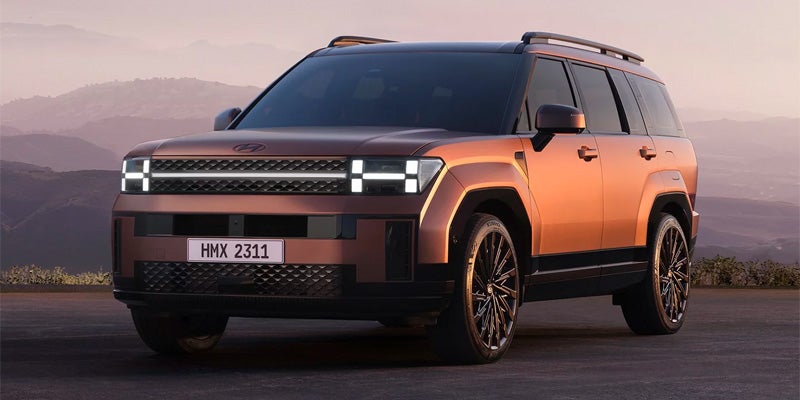
If you’re in the market for a sport utility vehicle offering capabilities and features designed with families in mind, look no further than the Hyundai Santa Fe. This versatile mid-size SUV delivers the performance you need to meet the challenges of the modern lifestyle. Discover the family-centric 2024 Hyundai Santa Fe, available now at your neighborhood Hyundai dealer.
Reliable Performance
Whether you’re loading up gear for an epic family camping trip or chauffeuring the kids from one activity to the next, you need an SUV that can meet the daily challenges of the modern family lifestyle without skipping a beat. The Hyundai Santa Fe features a 2.5-liter turbocharged inline 4-cylinder engine producing a robust 277 horsepower and 311 lb-ft of torque. With the power to accelerate, climb, and haul, the Santa Fe can perform at the highest level.
For memorable family adventures, the Santa Fe has a towing capacity of 3,500 pounds and is capable of trailering recreational equipment such as a small camper, a jet ski, or a pair of ATVs. Standard Trailer Sway Control technology and 4-wheel disc brakes integrated with an Anti-lock Braking System (ABS) are standard safety measures designed to promote safe towing.
Outstanding Utility
In addition to its high-powered output and towing capability, the Hyundai Santa Fe offers outstanding utility. The Santa Fe offers 14.6 cubic feet of base cargo space behind the third-row seats, which is expandable up to 79.6 cubic feet with the 2nd and 3rd-row seats folded down, to accommodate large loads and bulky items.
For hands-free access to the cargo area, the Santa Fe’s power liftgate opens automatically when standing next to it for 3 seconds with the Proximity Key on your person. An underfloor storage tray provides additional space for stowing away personal belongings and keeping valuables out of view.
Family-Friendly Technology
The Santa Fe is equipped with a sophisticated infotainment system to keep family members connected and engaged during your travels. Highlights include a 12.3″ touchscreen display and wireless connectivity with compatible Android and Apple devices.
Advanced Safety Features
Of all the features that a family vehicle should include, perhaps none is more important in the minds of drivers than passenger safety technology. Hyundai’s SmartSense is a suite of advanced safety features that constantly monitor surrounding conditions, warn of detected hazards, and in some situations, take evasive or mitigative actions.
These technologies not only keep you and your passengers safe while on the road, but perhaps just as importantly, they provide peace of mind. Highlights include:
- Blind-Spot Collision Warning (BCW)
- Rear Cross-Traffic Collision-Avoidance Assist (RCCA)
- Smart Cruise Control (SCC) with Stop & Go
- Lane Following Assist (LFA)
- Forward Collision-Avoidance Assist
The Hyundai Santa Fe offers the performance and utility you would expect from a modern family vehicle. Discover the family-centric features of the Santa Fe and connect with the Hyundai experts at Gates Hyundai in Richmond, KY to learn more.
Connect with us


- March 2026
- February 2026
- January 2026
- December 2025
- November 2025
- December 2024
- November 2024
- October 2024
- September 2024
- August 2024
- July 2024
- June 2024
- May 2024
- April 2024
- March 2024
- February 2024
- January 2024
- December 2023
- November 2023
- October 2023
- September 2023
- August 2023
- July 2023
- June 2023
- May 2023
- April 2023
- March 2023
- February 2023
- January 2023
- December 2022
- November 2022
- October 2022
- September 2022
- August 2022
Archives
Categories
Gates Hyundai
Address
6000 Atwood Dr
Richmond, KY 40475-8320
Phone
- Sales 859-695-3253
- Service 859-715-1657
- Parts 859-535-9326
| Monday | 9:00AM - 7:00PM |
| Tuesday | 9:00AM - 7:00PM |
| Wednesday | 9:00AM - 7:00PM |
| Thursday | 9:00AM - 7:00PM |
| Friday | 9:00AM - 7:00PM |
| Saturday | 9:00AM - 7:00PM |
| Sunday | Closed |
| Monday | 7:30AM - 6:00PM |
| Tuesday | 7:30AM - 6:00PM |
| Wednesday | 7:30AM - 6:00PM |
| Thursday | 7:30AM - 6:00PM |
| Friday | 7:30AM - 6:00PM |
| Saturday | Closed |
| Sunday | Closed |
| Temporarily closed Saturdays due to construction | |
| Monday | 8:00AM - 5:30PM |
| Tuesday | 8:00AM - 5:30PM |
| Wednesday | 8:00AM - 5:30PM |
| Thursday | 8:00AM - 5:30PM |
| Friday | 8:00AM - 5:30PM |
| Saturday | Closed |
| Sunday | Closed |
